Research Experiences

Moiré Patterns in 2D Materials

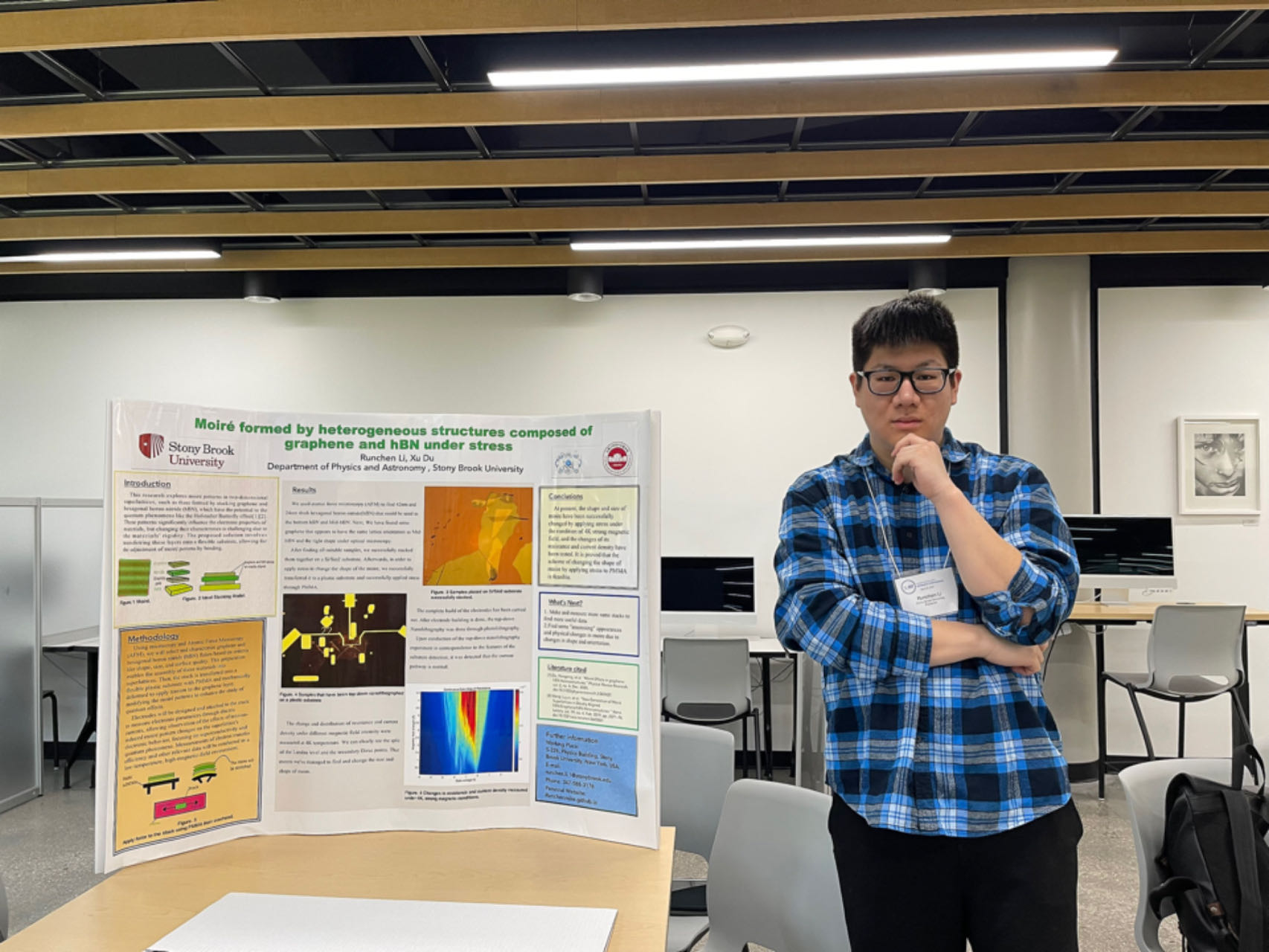
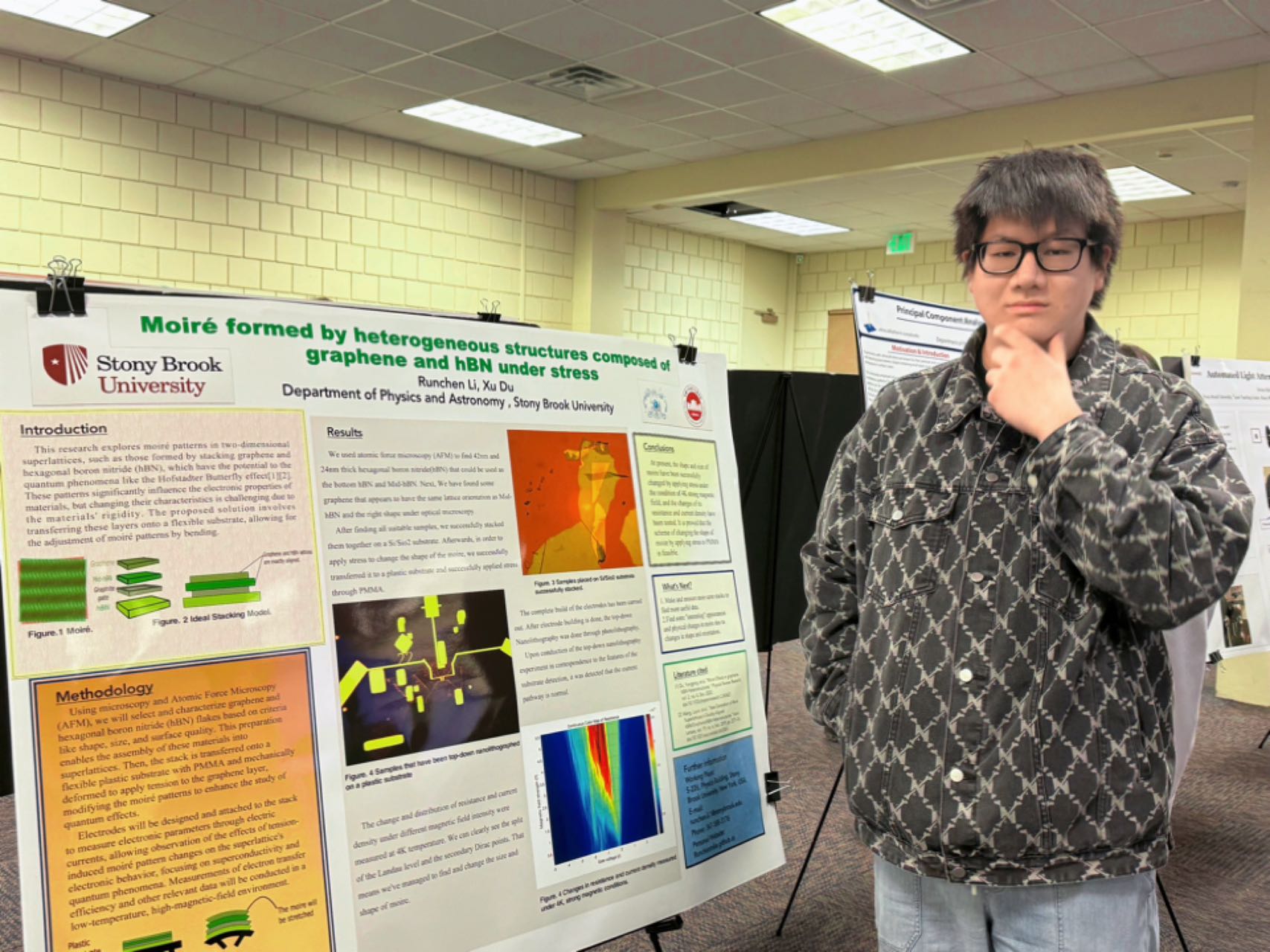
This research explores moiré patterns in two-dimensional superlattices, focusing on the manipulation of these patterns by applying mechanical stress to graphene and hBN layers.

We used atomic force microscopy (AFM) to find 42nm and 24nm thick hexagonal boron nitride(hBN) that could be used as the bottom hBN and Mid-hBN. Next, We have found some graphene that appears to have the Lattice orientation in the same direction as Mid-hBN and the right shape under optical microscopy. After finding all suitable samples, we successfully stacked them together on a Si/Sio2 substrate. Afterwards, in order to apply stress to change the shape of the moire, we successfully transferred it to a plastic substrate and successfully applied stress through PMMA.

I utilized DesignCAD to design the electrodes. Following the design phase, I employed electron beam evaporation to deposit a thin metal film on the sample's surface. The samples were then exposed under a Scanning Electron Microscope (SEM). Through a series of repeated operations including development and etching, I successfully grew the alignment marks and electrodes. This process was further refined through Plasma etching to complete the sample processing. Finally, the prepared sample was installed into a cryogenic strong magnetic device for further experiments.

The change and distribution of resistance and current density under different magnetic field intensity were measured at 4K temperature. We can clearly see the split of the Landau level and the secondary Dirac points. That means we've managed to find and change the size and shape of moire.

At present, the shape and size of moire have been successfully changed by applying stress under the condition of 4K strong magnetic field, and the changes of its resistance and current density have been tested. It is proved that the scheme of changing the shape of moire by applying stress to PMMA is feasible.

This research explores moiré patterns in two-dimensional superlattices, focusing on the manipulation of these patterns by applying mechanical stress to graphene and hBN layers.

Download Moiré Poster (PDF)
Research Poster on Moiré Patterns

Research Presentation

Research Poster on Moiré Patterns 2

Research Presentation 2

Time: July 10, 2023 - Present

Professor: Xu Du

Place: Stony Brook University, Department of Physics and Astronomy
Seeking optimal NiCo2O4 Thin Films Growth by Sputter

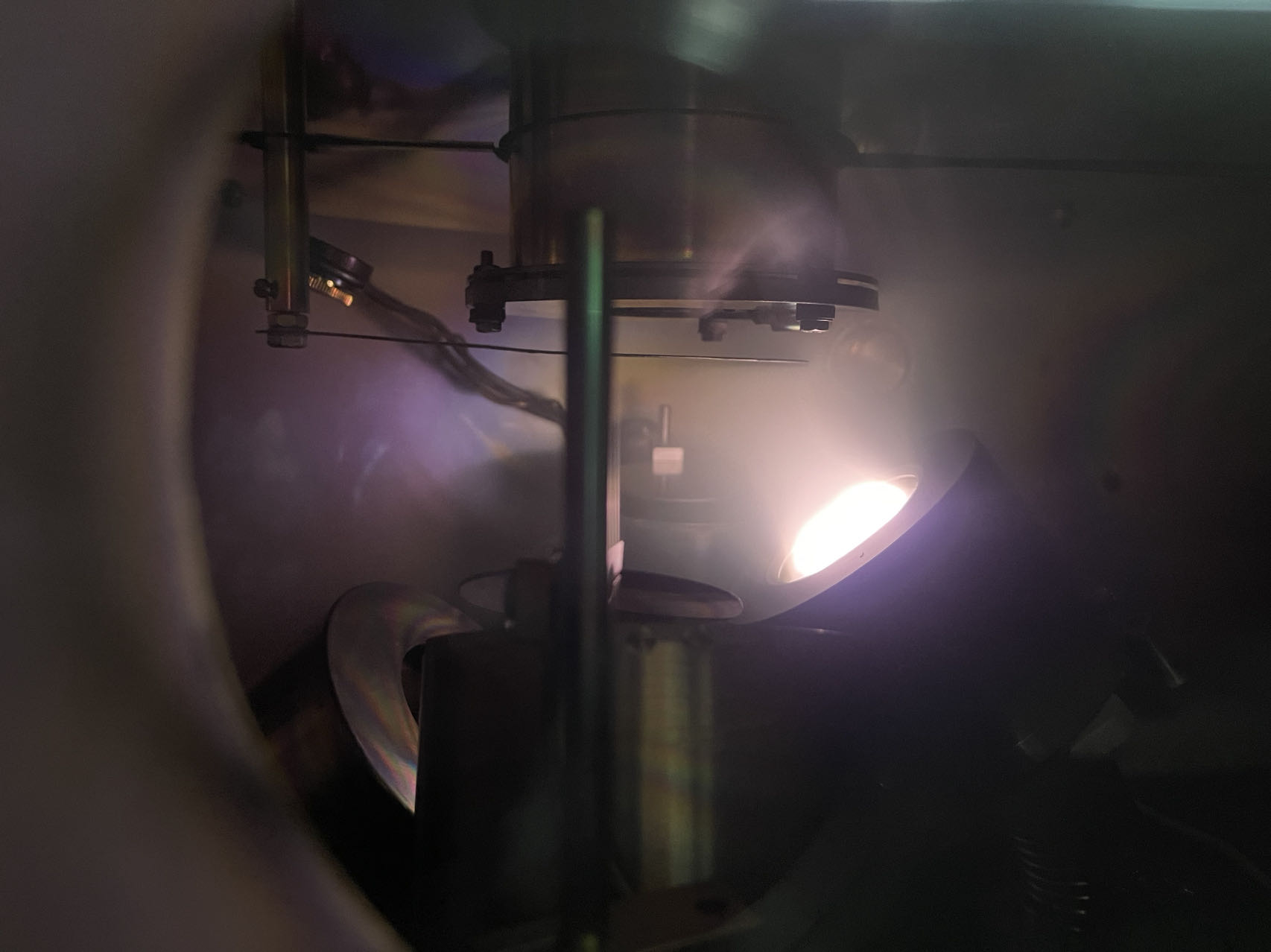
Subject: Under different conditions (temperature, gas ratio, RF power), use Sputter to grow the optimal NiCo2O4 thin film, and determine the best growth conditions by measuring its resistance versus temperature curve and its Hall effect under a magnetic field.

Initially, I prepared the sputtering targets by learning to utilize a muffle furnace to calcine and grind the materials. This process involved carefully controlling the temperature and duration to ensure high-quality target materials. After preparing the targets, I proceeded with the sputtering process to grow NiCo2O4 thin films on Si substrates under different conditions, including a range of temperatures (300°C to 500°C), various Ar to O2 gas ratios (1:1, 1:2, 2:1), and different RF powers (20W, 30W).

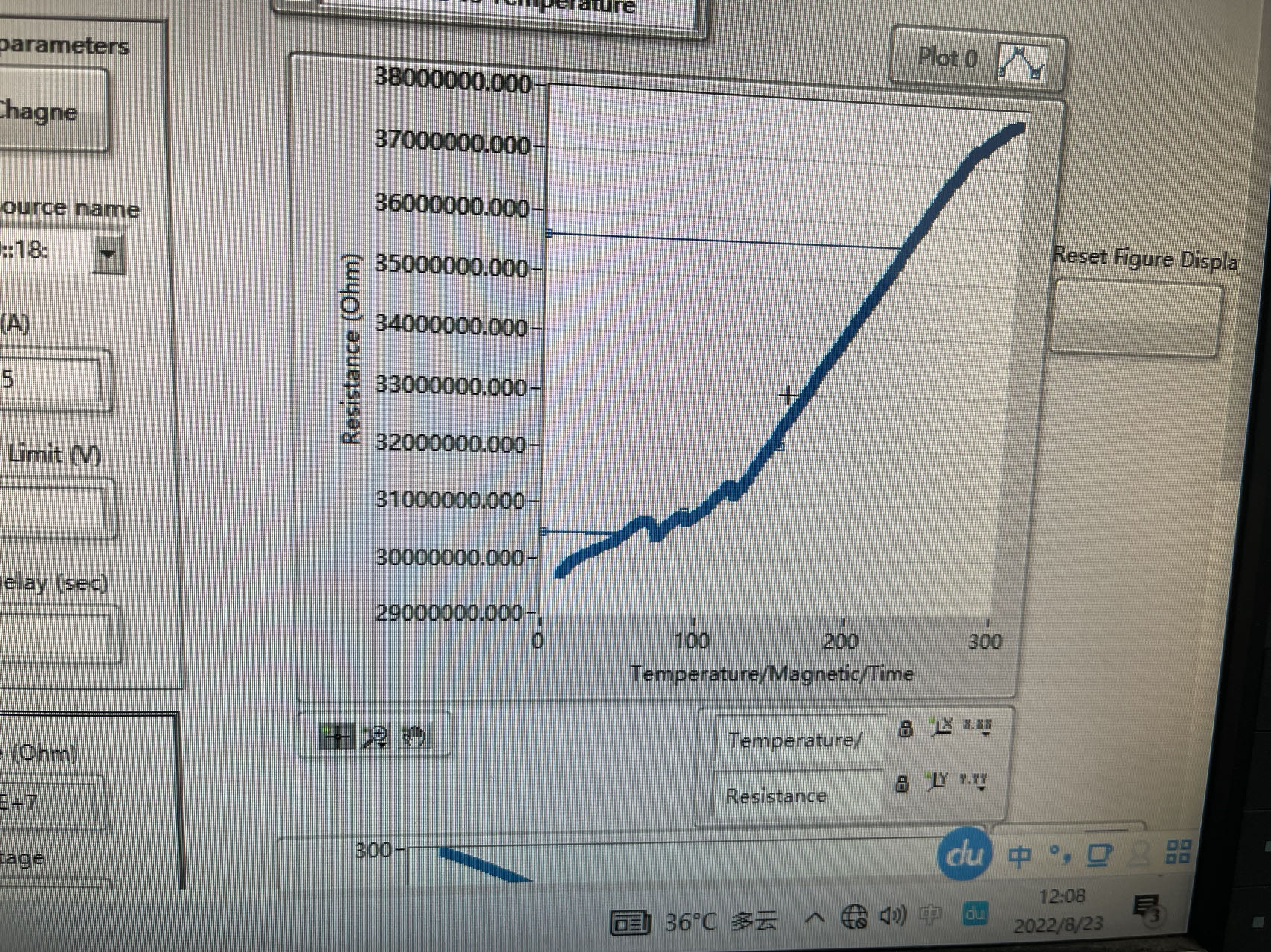
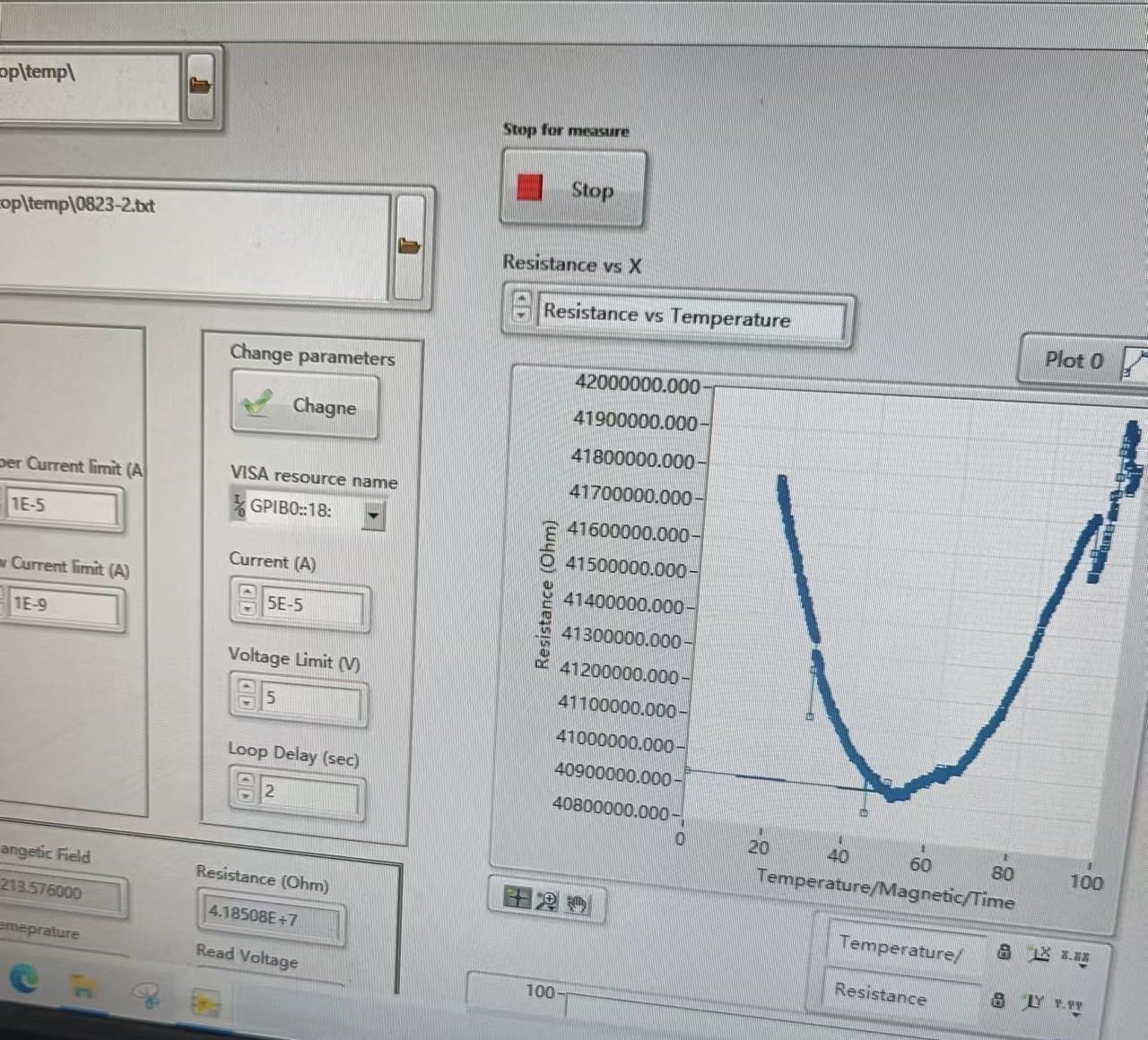
Once the thin films were grown, I used a microscope to apply silver paste to the four corners of the samples. This step was crucial for ensuring good electrical contact. I then connected gold wires to the samples to facilitate subsequent four-point measurements. To measure the resistance versus temperature (R-T) curves, I utilized a Cryogenic device, which allowed for precise control of the temperature range during the measurements.

In addition to measuring the R-T curves, I also used the four-point method to determine the resistivity and Hall coefficient of the samples. This involved applying a known current through the samples and measuring the resulting voltage drop, which provided accurate data on the electrical properties of the thin films. With the assistance of a PhD student, I analyzed the collected data to identify the optimal growth conditions for NiCo2O4 thin films.

The combination of varying temperatures, gas ratios, and RF powers allowed us to systematically study the effects of these parameters on the film's properties. The comprehensive analysis helped us determine the best conditions for achieving the desired electrical characteristics, including minimal resistivity and favorable Hall effect. This research provided valuable insights into the optimization of NiCo2O4 thin films for potential applications in electronic devices.

Sputter生长NiCo2O4

Used Sputter to NiCo2O4

RT曲线

The R-T Curve of the NiCo2O4

测量霍尔效应

The Hall Effect of the NiCo2O4

Time: June 2022 - October 2022

Professor: Xuegang Chen

Place: Anhui University, Department of Physics Science

Development and Implementation of Control Programs Using LabVIEW

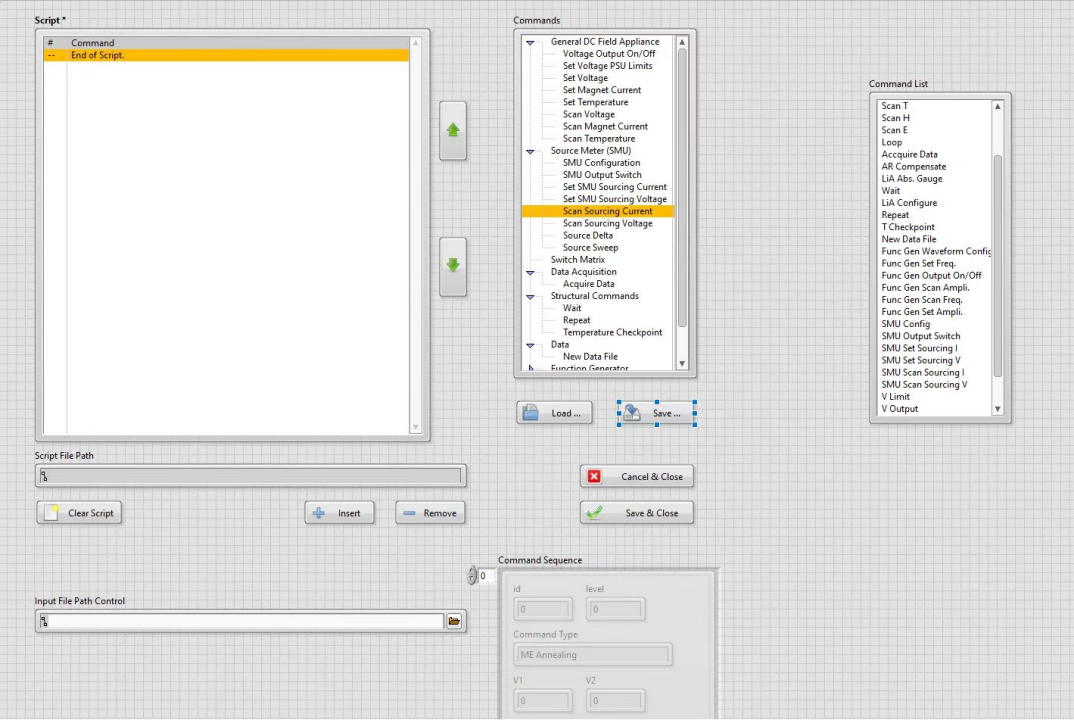
LabVIEW can be viewed as both a programming language and a measurement and control tool, often used to handle highly repetitive tasks. By combining programming skills with LabVIEW software, we were able to design and develop scripts and control programs for use in magneto-electric transportation systems. This implementation is divided into two main parts:

First, by writing scripts to optimize the operating instructions and workflows of the magneto-electric transport system, we were able to improve the efficiency and management of material data acquisition. This not only improves the quality of monitoring data processing, but also significantly reduces the cost and time of manual operations, especially during data collection.

Secondly, the function of remote real-time data observation and control of measuring instruments is realized. This allows experimentalists to view and analyze data in real time, reducing the need for on-site operations and thus significantly reducing the burden on human resources.

In this project, our team successfully mastered the technology related to the transmission, storage, and display of basic data. First, we designed and implemented a powerful program that can efficiently handle the transmission and storage of instrument data in a magnetron transport system, and also supports the visual display and plotting of data. This not only improves the efficiency of data processing, but also optimizes the clarity and accuracy of data presentation.

Further, in order to enhance the logic of the program and simplify the subsequent review and modification, we adopted the strategy of sub-VI (Virtual Instrumentation). This approach not only makes the program structure clearer, but also facilitates maintenance and extension. In addition, we have developed a special program bar which allows the experimenter to arrange different program modules into the execution box on demand by simple drag-and-drop operations. In this way, individual programs can be executed automatically in a predefined order, thus significantly saving the experimenter's time.

Experimenters no longer need to continuously monitor the instrument or manually adjust the experimental steps, which greatly reduces labor costs and improves experimental efficiency. Through the application of these technologies, we have effectively simplified the experimental process and made the operation of magnetron transport experiments more efficient and user-friendly.

LabVIEW Interface

LabVIEW Interface

Time: November 2022 - November 2023

Professor: Xuegang Chen

Place: Anhui University, Department of Physics Science

Algae Evolution Algorithm Research

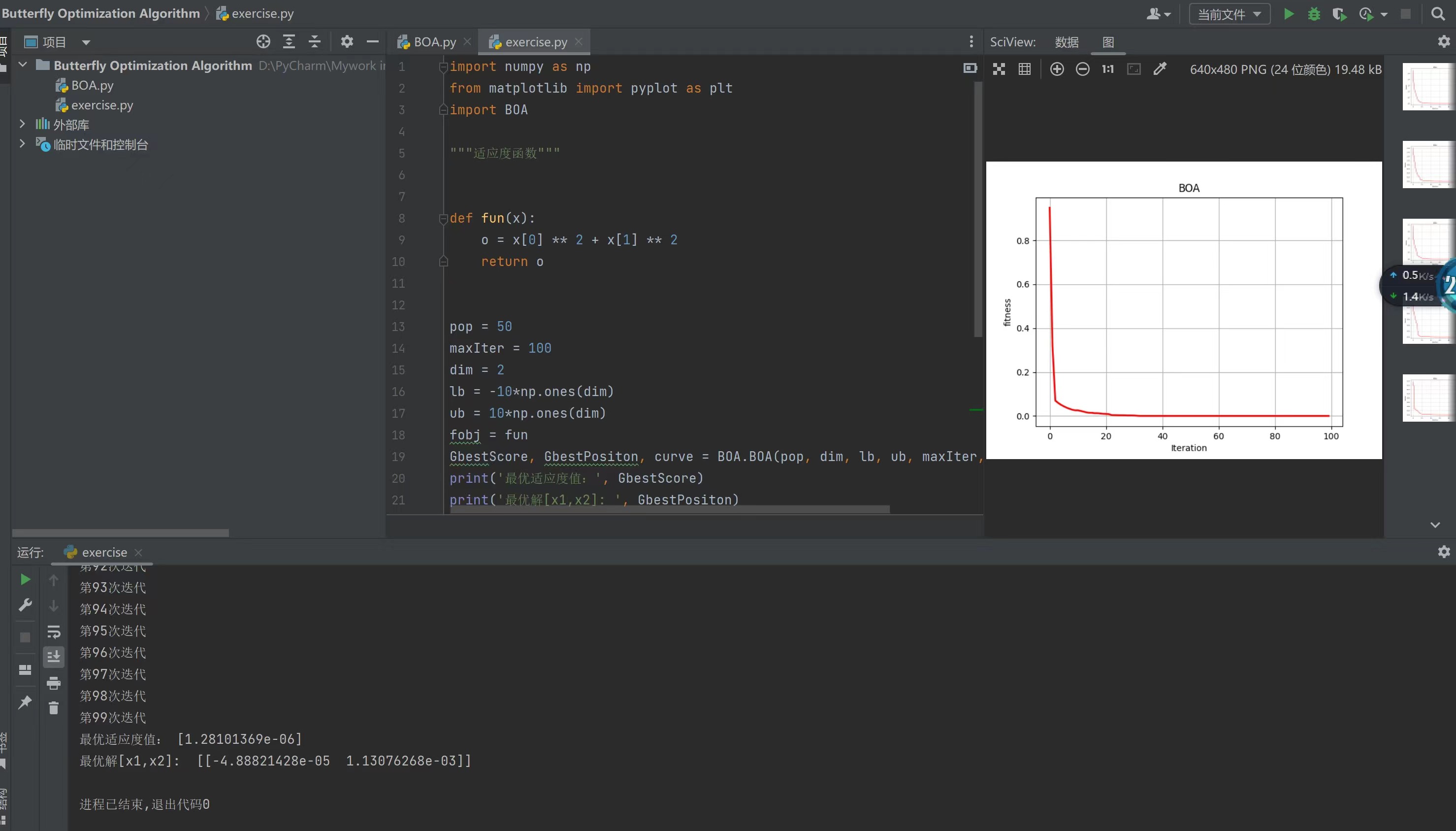
Objective: The aim of this research is to simulate and analyze the distribution patterns of aquatic algae plants using advanced deep learning algorithms. This study is pivotal for understanding and predicting algal blooms, which have significant environmental and economic impacts.

Methodology: I contributed to the research by utilizing Python for the development of a simulation model. This model predicts the distribution of algae based on various environmental parameters and biological factors.

Physical Logic

Initially, a portion of algae is randomly placed in a lake with varying terrain below a horizontal plane. The algae then undergo first-generation growth and reproduction. Typically, algae in higher terrain grow better and produce more seeds, making their first-generation seeds higher than those in lower terrain areas. Due to algae spore reproduction relying on "biological transfer" and "water flow transfer," in higher terrain, where fish life is more abundant and water flow moves towards lower terrain, the second-generation seeds will disperse from high to low terrain, with parent and offspring distances being relatively far. In contrast, seeds in lower terrain, due to lesser water movement and the physical phenomenon of underwater eddies, will largely perish or propagate towards higher terrain, with parent and offspring distances being relatively close. Since algae compete with each other, there is a limit to the number of algae in a region. After selecting the second generation, the same logical analysis and iteration process is repeated.

Mathematical Logic

Initially, the quantity of algal plants is considered as the fitness function/fitness value. Random coordinates and points are selected within the area, their corresponding fitness values are calculated and ranked; thereafter, the second generation evolves in order from high to low fitness. That is, points with high fitness will have more points selected around them for the next fitness calculation, with a greater distance from the previous points, while points with low fitness will select points towards the direction of high fitness points, with a smaller distance from the previous points. Additionally, the principle of competition is introduced, meaning that the number of points in an area cannot exceed a threshold value.

Fluid Mechanics Insights

In fluid mechanics, the movement of water towards lower terrain can be explained by the physical fluid mechanics equations of mass conservation and momentum conservation.

Firstly, consider the mass conservation equation, which indicates that under steady-flow conditions, the water flow rate through a particular cross-section should remain constant. Assuming two positions on the same horizontal plane, one at a higher elevation and the other at a lower elevation, the lower position has a smaller vertical height, requiring less gravitational potential energy to overcome. Therefore, according to mass conservation, the water flow rate through the lower position is larger, keeping the overall system's water flow constant.

Secondly, consider the momentum conservation equation, which states that in the absence of external forces, the total amount of momentum in the fluid remains constant in steady flow. At two positions on the same horizontal plane affected by gravity, which points towards lower terrain, according to momentum conservation, the water flow will accelerate when passing through the lower position because the gravitational force provides additional momentum. This leads to an increase in water flow speed, causing the water to flow more quickly towards the lower terrain. In fluid mechanics, the momentum conservation equation explains why water flow accelerates when passing through lower terrain.

Successfully completed the program using Python

Time: November 23, 2022 - December 21, 2023

Professor: Xiaoming Zhang

Place: Anhui University, Department of Physics Science

Research Project on Home External Environment Analysis System

My Platform is a web-based App software that connects to the App Platform through the Internet of Things. The hardware system triggers the monitoring system on the conditions of the external environment and transmits the relevant data to the network platform through different predetermined monitoring programs using the TCP protocol, which establishes the connection first and then performs the data transmission according to the previously formulated trigger rules.

Once the connection is established, the data is transmitted according to the previously formulated triggering rules. The cloud platform analyzes the uploaded data with algorithms and transmits the data to a fixed board, where it is visualized. The platform detects the pattern of data changes to predict and judge whether there is a dangerous situation. When a potential safety issue is detected, the system alerts staff to contact the relevant family or responsible person through voice calls or text messages to verify the situation.

If there is indeed a problem, the App allows the user to manually call the police. After raising the alarm, the relevant emergency personnel can accurately know the safety problem and location, making certain preparations for intervention. This system significantly enhances the safety and security of home environments by providing real-time monitoring and quick response capabilities.

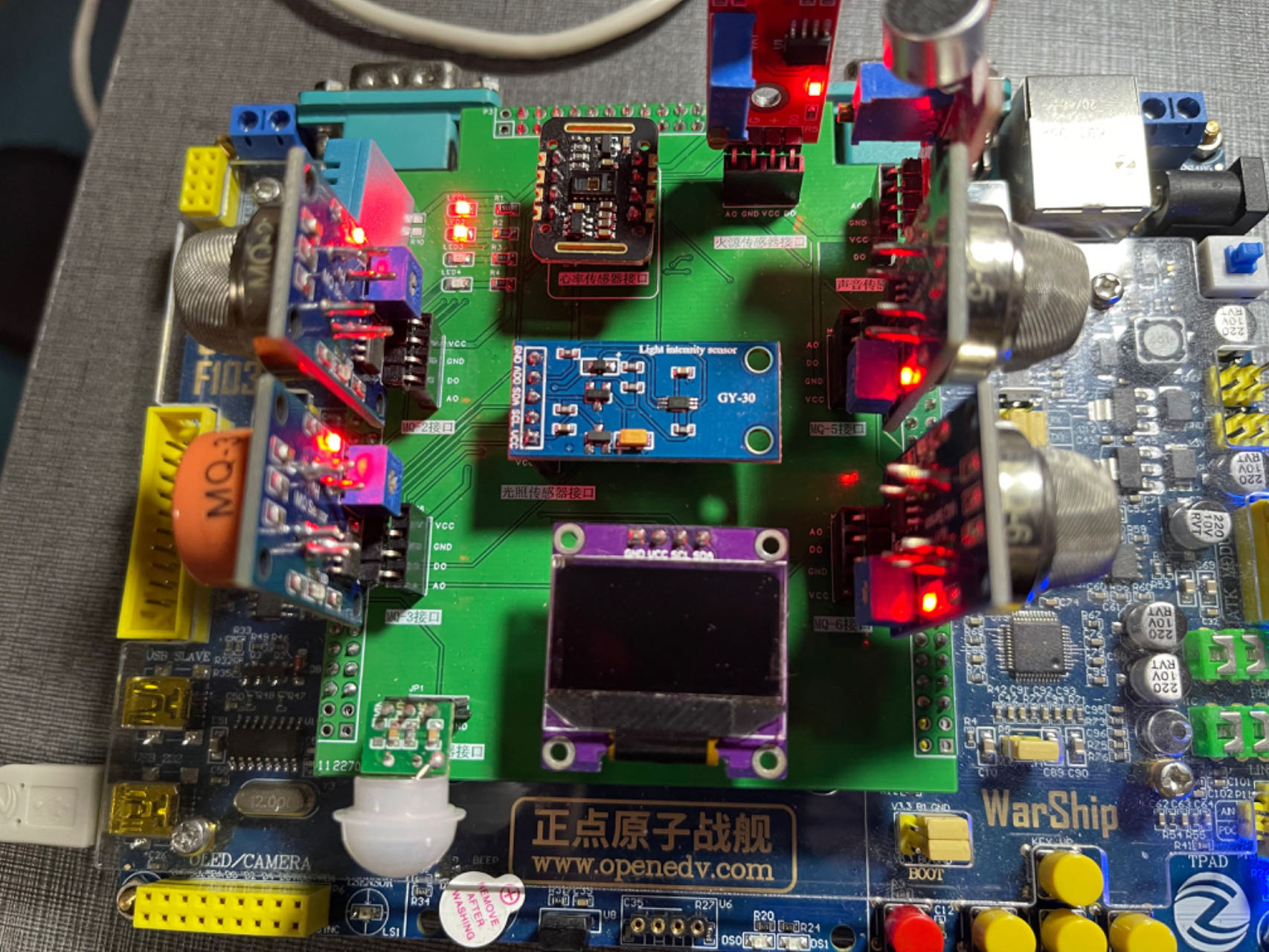
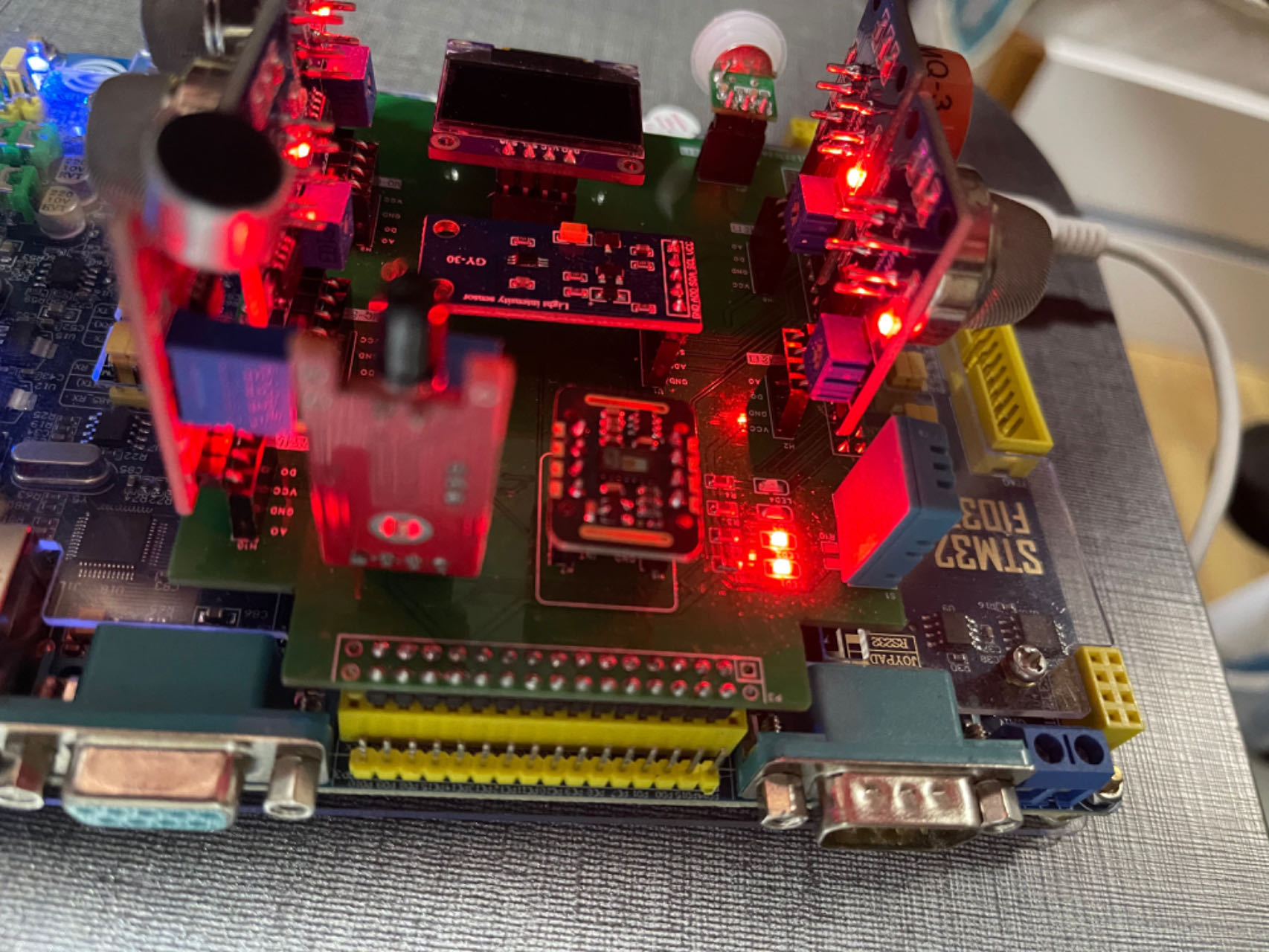
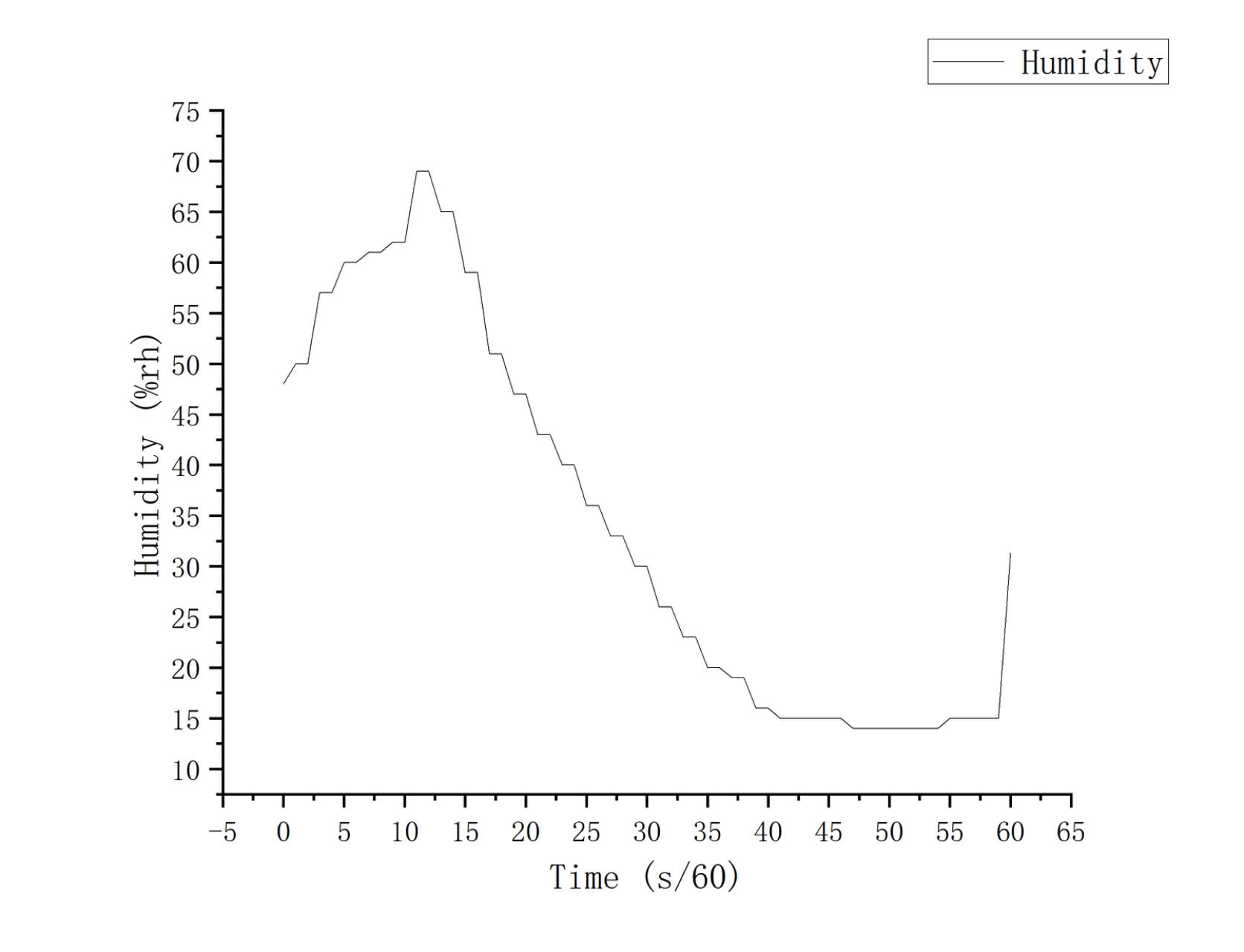
In this project, I served as the project leader and hardware manager. I utilized Keil to write the hardware programs and successfully completed the data measurement and visualization tasks. My responsibilities included designing and implementing the hardware system, ensuring the accurate collection and transmission of data, and overseeing the integration with the cloud platform for data analysis and visualization.

Hardware Design

Hardware Design_1

Hardware Design

Hardware Design_2

Data Visualization

Data Visualization_1

Data Visualization

Data Visualization_2

Time: October. 2021 – May 2023

Professor: Lei Zhang

Place: Anhui University, Department of Integrated Circuits.